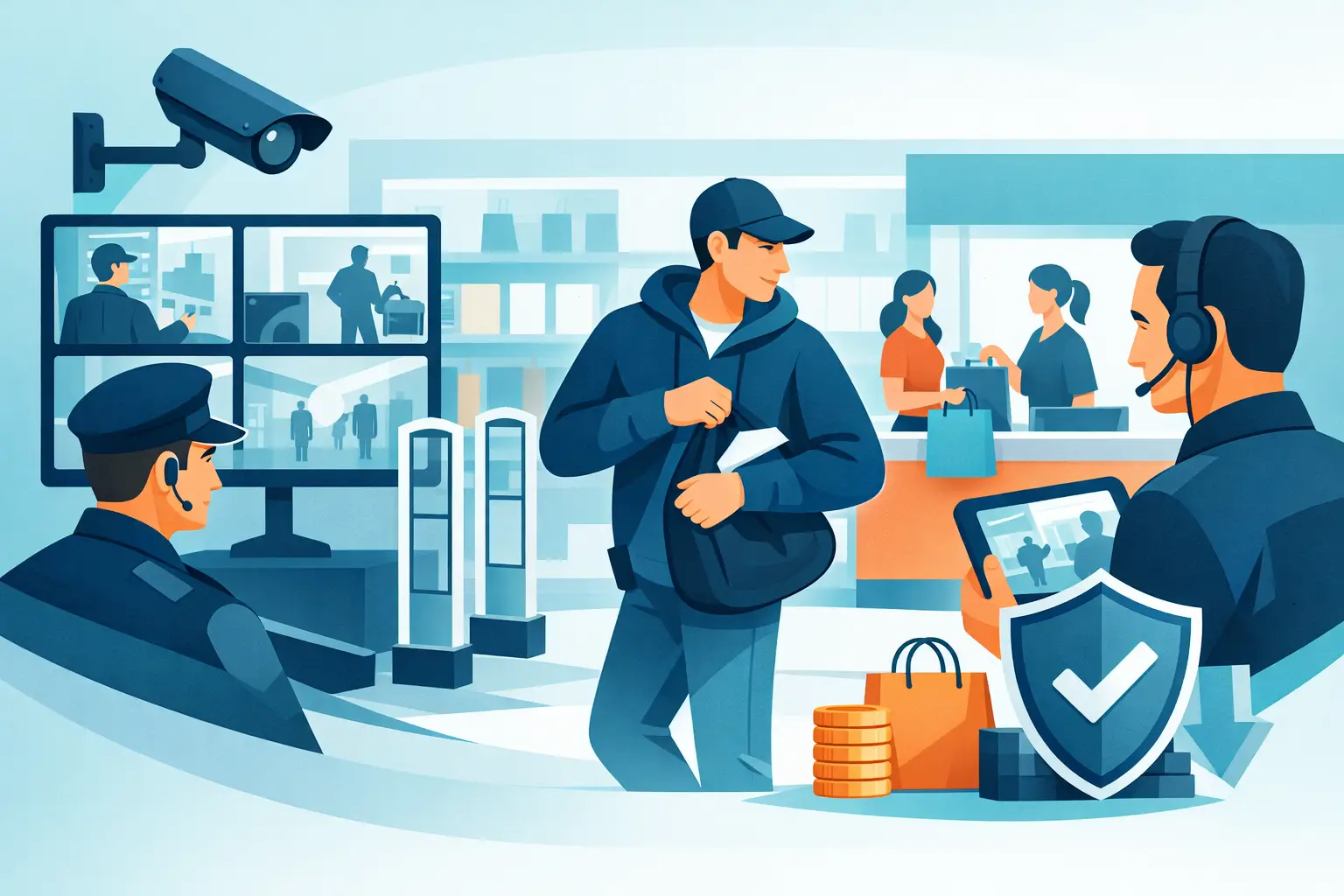
A missing item is rarely just a missing item. For a retail operator, recurring loss can reduce margin, unsettle colleagues, disrupt customers and signal that a store is easy to target. Effective retail security and loss prevention addresses that wider operational risk, combining visible protection with calm, professional intervention and a plan built around the realities of each site.
The right approach is not about making a shop feel hostile. It is about creating an environment where genuine customers can browse comfortably, colleagues know support is close at hand, and those looking to steal or cause disorder understand they are being observed.
Why retail loss needs a site-specific response
Retail crime does not look the same in every location. A convenience store near a transport hub may face persistent low-value theft, anti-social behaviour and lone-worker concerns. A fashion retailer may be more exposed to organised theft, changing-room concealment and the removal of security tags. A retail park unit may have different risks after closing, including trespass, vandalism and attempted break-ins.
Store layout, trading hours, stock profile, local incident history and staffing levels all affect the security requirement. A generic guard deployment can leave important gaps. Before assigning personnel, a proper assessment should identify where losses occur, when incidents are most likely, how people enter and leave the premises, and which procedures colleagues currently follow.
This produces a practical plan rather than a vague promise of deterrence. It may include a store-based security officer during peak periods, mobile patrols outside trading hours, controlled access to stock areas, or enhanced coverage during deliveries, promotional events and seasonal trading.
Retail security and loss prevention starts on the shop floor
A professionally presented officer is a powerful visual deterrent, but their value goes far beyond standing at the entrance. Trained retail security personnel observe behaviour, maintain a reassuring presence, support store colleagues and respond proportionately when an incident develops.
The most effective officers learn the rhythm of a site. They understand busy periods, delivery routines, vulnerable fixtures, staff-only areas and the normal behaviour of regular customers. That familiarity makes it easier to spot activity that does not fit the setting, without treating every shopper with suspicion.
Good deployment also protects the customer experience. Officers should be visible enough to discourage theft and disorder, while remaining approachable for visitors who need help. Their conduct reflects directly on the retailer, so professionalism, communication skills and sound judgement matter as much as physical presence.
Where intervention is necessary, it must be lawful, measured and aligned with the retailer’s policy. A poorly handled confrontation can create safety risks, reputational damage and unnecessary disruption. Clear reporting and escalation procedures give officers and store managers confidence that incidents will be managed consistently.
Prevention works best when physical and operational measures align
Security technology can be valuable, but it is most effective when people and procedures support it. CCTV may record an incident, for example, yet a trained officer can identify developing concerns, provide an immediate response and preserve a safe environment while an issue is addressed.
A strong retail loss-prevention plan usually brings several measures together:
- Visible, trained security officers at points of highest risk.
- Routine patrols of the shop floor, stockrooms, external areas and vulnerable access points.
- Clear procedures for suspicious behaviour, refusals, emergencies and incidents involving violence or abuse.
- Accurate incident reporting that reveals repeat patterns, times and locations.
The balance depends on the site. A smaller store may benefit most from targeted coverage at known problem times, while a large shopping destination may require officers positioned across several entrances, sales areas and back-of-house zones. The goal is proportionate protection that addresses actual exposure without paying for coverage that does not add value.
Protecting colleagues is part of protecting stock
Loss prevention is sometimes reduced to stock shrinkage. That is too narrow. Colleagues working in retail may deal with aggressive behaviour, attempted theft, intoxicated individuals, disputes and pressure to challenge situations they are not trained to manage alone.
A security presence gives staff a clear point of support. It can reduce the likelihood that employees feel compelled to intervene, particularly during late trading, when working alone or when a suspected offender becomes confrontational. This is a welfare issue as well as a commercial one.
Managers should ensure every colleague understands the boundary between customer service, observation and security intervention. Staff can report concerns promptly, retain relevant information and follow agreed procedures. Security officers can take responsibility for managing the situation, contacting emergency services where required and recording what happened.
This division of responsibility helps stores remain calm under pressure. It also protects staff from inconsistent responses that can escalate a manageable incident into a serious one.
Use incident data to improve the deployment
Retail loss prevention should adapt as the risk changes. A weekly or monthly review of incidents can reveal whether thefts cluster around a certain time, product line, entrance or trading event. It may show that coverage is needed during school closing hours, payday weekends, delivery windows or the final hour before closing.
The useful question is not simply how many incidents occurred. It is what they reveal about exposure. Repeated attempts at a particular entrance may point to poor sightlines. Stock losses from one department may suggest a need for improved officer visibility, better merchandising controls or revised staff routines.
Incident reporting should be factual, timely and detailed enough to support management decisions. It can also help establish patterns of repeat offending and provide useful evidence should police involvement be required. Without reliable records, retailers are left responding to isolated symptoms rather than addressing the cause.
Plan for peak trading and changing risk levels
Retail environments can change quickly. Christmas, sales events, product launches and local events can increase footfall and create opportunities for theft, disorder or crowding. At the same time, busy colleagues may have less capacity to monitor entrances, changing rooms and high-value displays.
Temporary security support can provide additional resilience during these periods. The key is to plan early enough for the personnel, briefing and site arrangements to be in place before trading pressure builds. A last-minute response may still help, but it is less likely to reflect the store’s layout, policies and anticipated risks.
The same applies when a site experiences a sudden rise in incidents. A review of patrol frequency, officer positioning and closing procedures can often reduce exposure quickly. However, if the problem is persistent, the solution should be reviewed with an experienced operations manager rather than relying on an indefinite increase in hours.
What a dependable security partner should provide
Retail operators need more than a name on a rota. They need confidence that coverage will be managed, personnel will understand their role and concerns will receive a prompt response. That means a provider should carry out an on-site assessment, set out a tailored proposal and maintain operational oversight after deployment begins.
Ask how officers are briefed on store procedures, who monitors service quality, how absences are covered and how incidents are escalated. Confirm that personnel hold the appropriate SIA licence where required and that their communication style suits a public-facing environment. Cost matters, but the lowest hourly rate can become expensive if it delivers inconsistent staffing or fails to reduce loss.
Hawk Security Group supports retailers with tailored guarding and loss-prevention arrangements, backed by experienced operational management and coverage across England, Wales and Scotland. Whether the requirement is regular store security, added support during high-risk periods or patrol coverage for a retail estate, the deployment should reflect the risks on the ground.
A well-run store should feel welcoming, orderly and under control. When retail security is planned around people, premises and trading patterns, it protects more than stock – it gives colleagues the confidence to focus on customers and gives managers a clearer grip on risk.